
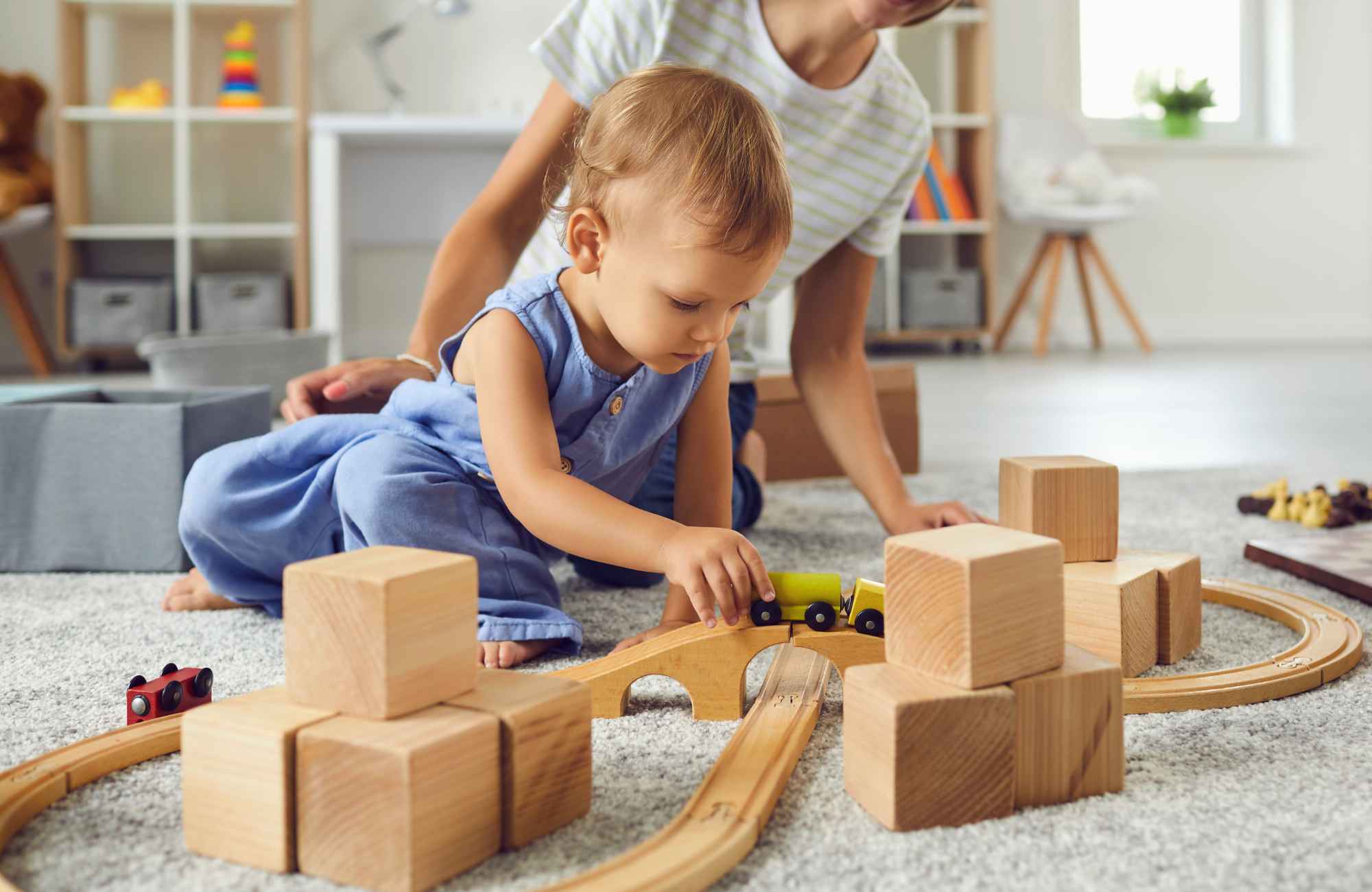
Creating an Organized Kids’ Room: Simple Systems That Actually Last
Keeping a child’s bedroom organized can often feel like a never-ending battle. Many of our clients share the frustration of tidying up only to find the room in disarray again within days. This common experience isn’t about kids being naturally messy—it’s about creating systems that truly work for them. When organization is designed with children’s needs and abilities in mind, maintaining order becomes not just possible, but sustainable.
Designing for Independence: The Foundation of an Organized Room
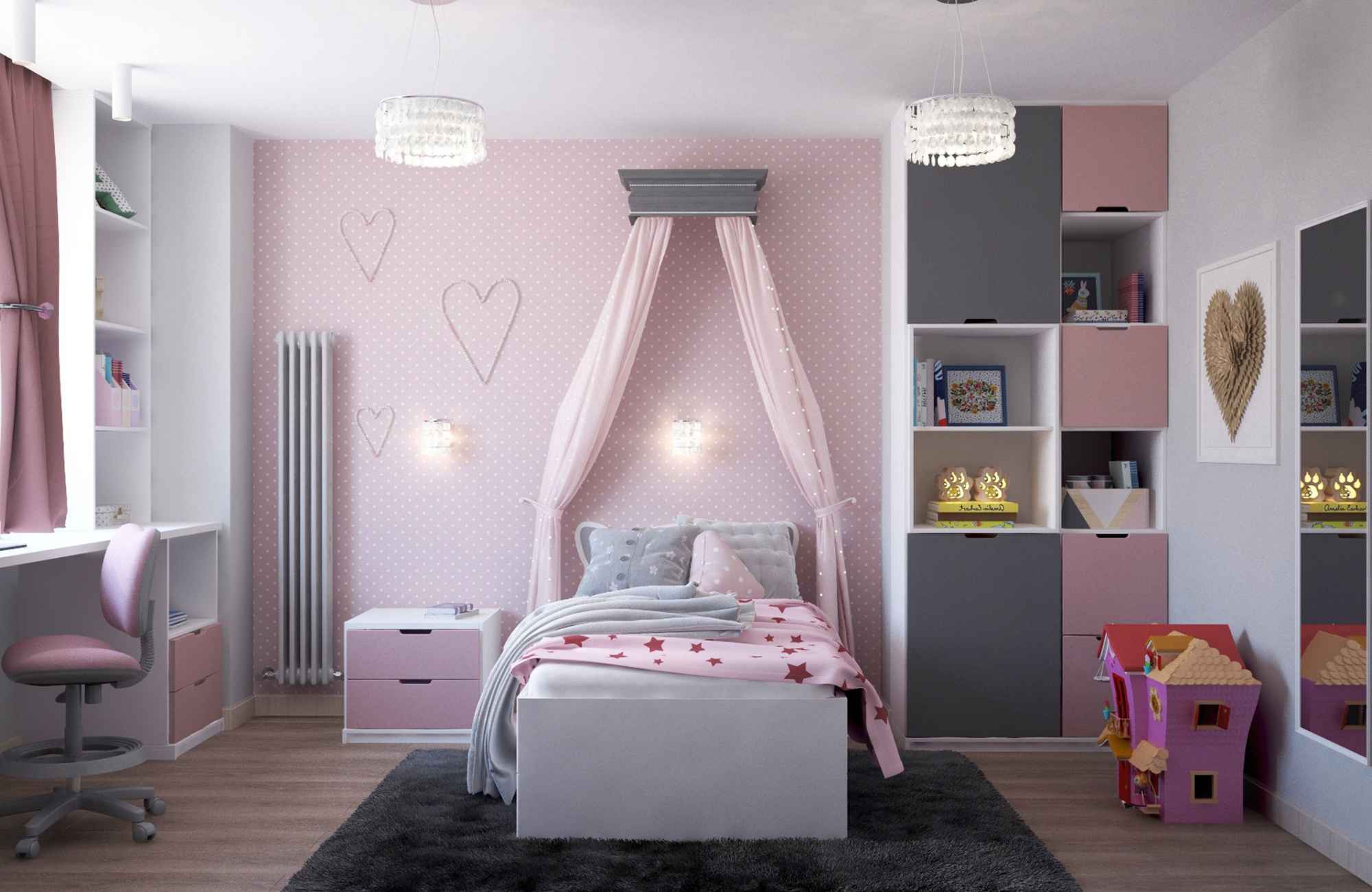
One of the biggest reasons kids’ rooms become chaotic quickly is that the storage systems aren’t built for the child’s use. High shelves, closed bins with lids, or closets that require digging make it difficult for kids to put things away on their own. The path of least resistance often leads to toys and belongings ending up on the floor.
The shift I make in almost every room I organize is simple but powerful: bring everything down to the child’s level. Hooks placed at their height, open bins they can easily toss items into, and designated spots for backpacks and books that don’t require adult help make a huge difference. When children can physically put something away themselves, they actually do it—without reminders or assistance.
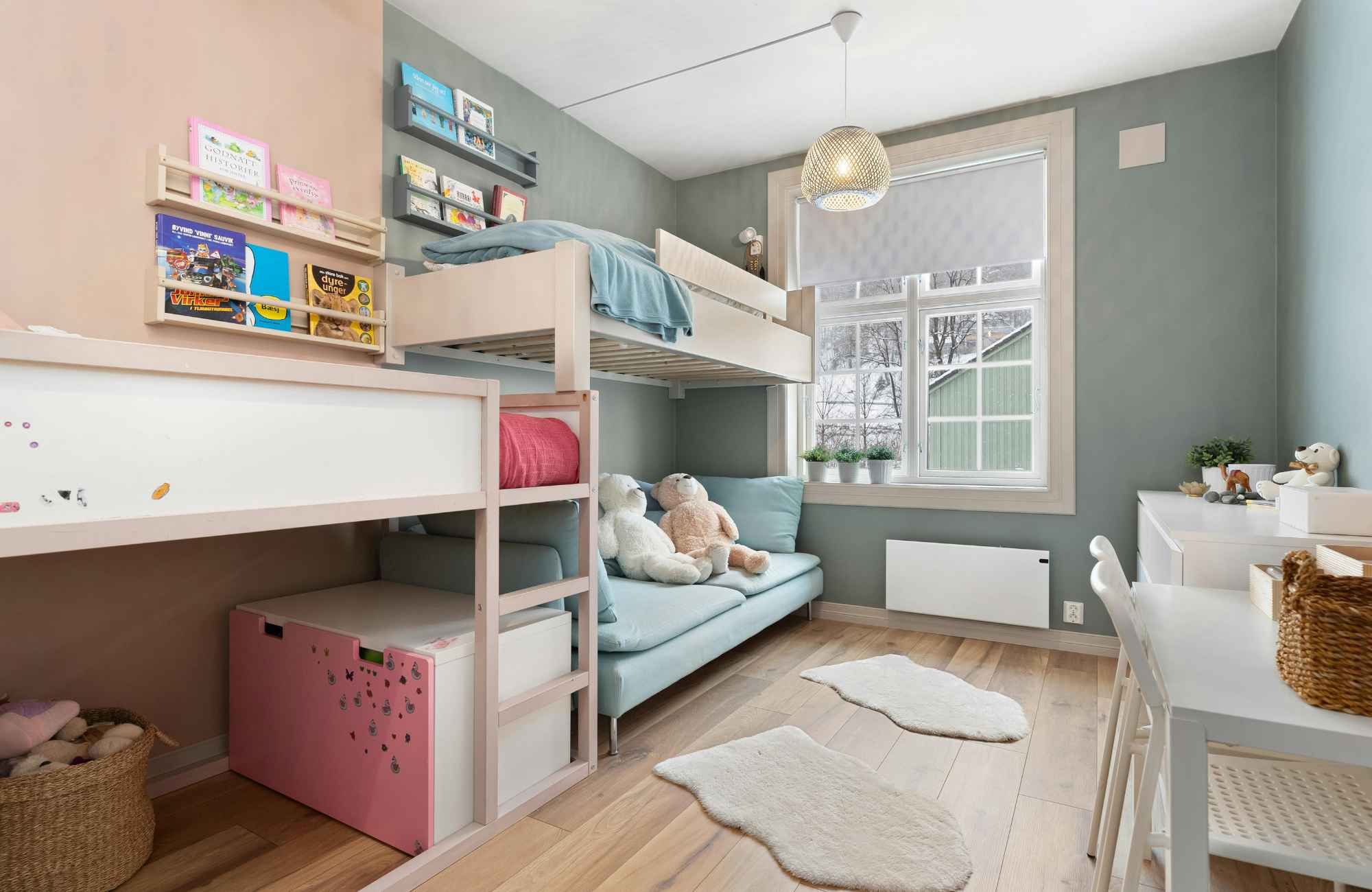
Simplify Storage to Make Cleanup Easier
Another important aspect is simplifying the inventory. Too many toys or belongings can overwhelm a child and make tidying up feel like a chore. Recently, I worked with a mom who had created a Pinterest-worthy room with matching bins and beautiful labels. However, her six-year-old daughter couldn’t reach any of the storage bins, which were all placed above her head.
We spent a morning repositioning everything to her daughter’s eye level, swapping lids for open-top containers, and cutting the toy inventory in half. The result? A few weeks later, the mom reported that her daughter was tidying up on her own before bed—not because she was told to, but simply because she could.
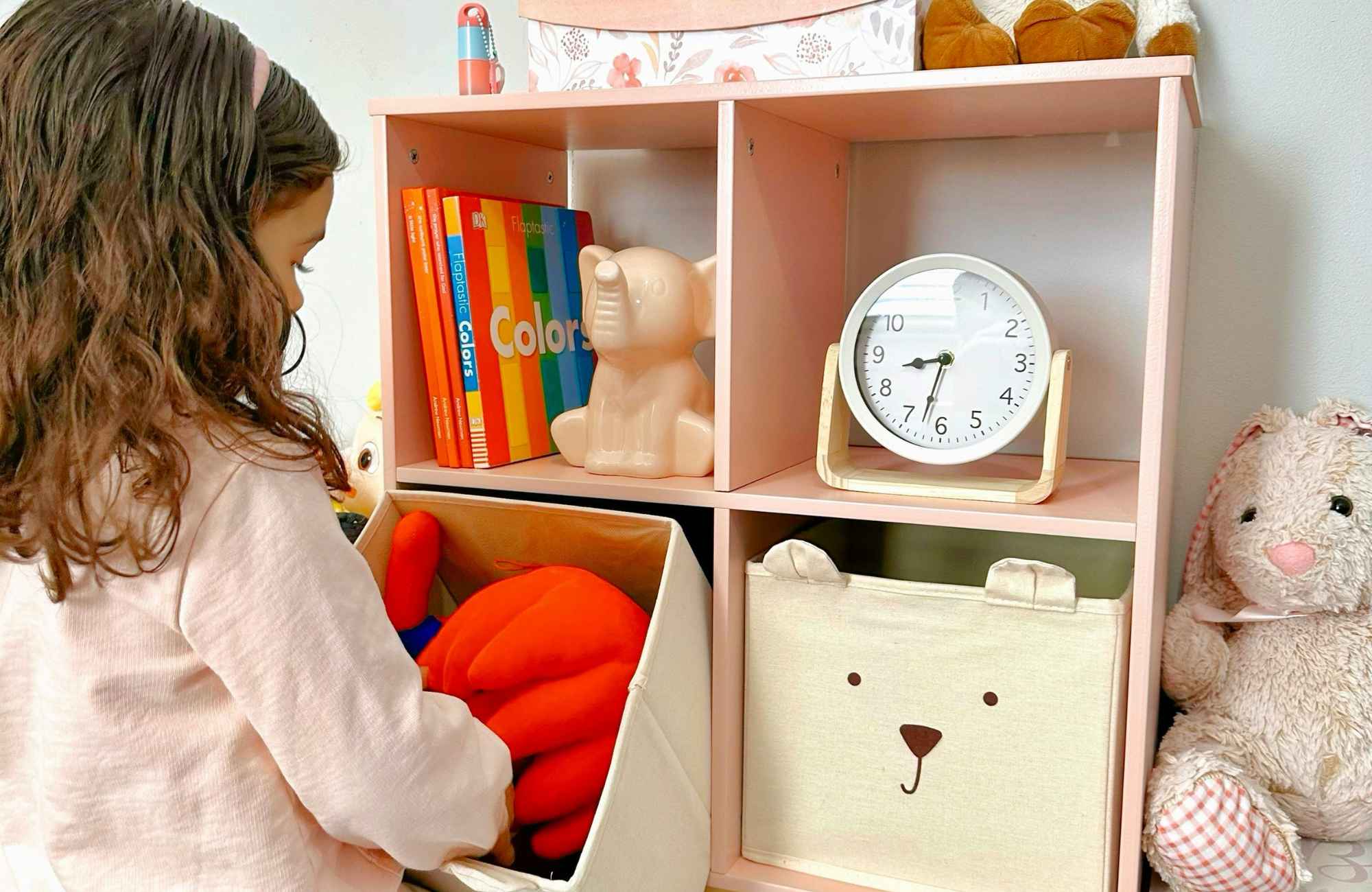
Creating Functional Zones for Sleep, Play, and Study
Organizing a child’s bedroom isn’t just about storage—it’s about creating functional zones that support their daily activities. Designating clear areas for sleeping, playing, and studying helps children understand where things belong and encourages them to keep those spaces tidy. For example, a cozy reading nook with accessible books invites quiet time, while a play zone with easy-to-reach toy bins encourages independent play and cleanup.
Support Lasting Order with Simple Daily Habits
Even the best systems need regular maintenance. Establishing simple daily and weekly routines helps keep the room orderly without overwhelming parents or children. Short, consistent resets—like a five-minute tidy-up before bedtime—can make a big difference. Involving your children in these routines teaches responsibility and reinforces the habit of putting things away.
Common Questions About Organizing Children’s Bedrooms
Q: How often should I help my child tidy their room?
A: Establishing a daily quick tidy-up, such as before bedtime, helps maintain order without feeling overwhelming. Weekly deeper organization sessions can address bigger tasks like sorting toys or laundry.
Q: What if my child resists putting things away?
A: Resistance often comes from frustration with inaccessible or complicated systems. Simplifying storage and involving your child in creating the system can increase their willingness to participate.
Q: How do I decide what toys or items to keep or remove?
A: Focus on items your child actively uses and enjoys. Consider rotating toys seasonally to keep the selection fresh and manageable.
Q: Are labels necessary for kids’ storage?
A: Labels can be helpful, especially for older children who can read. For younger kids, using pictures or color-coded bins may be more effective.
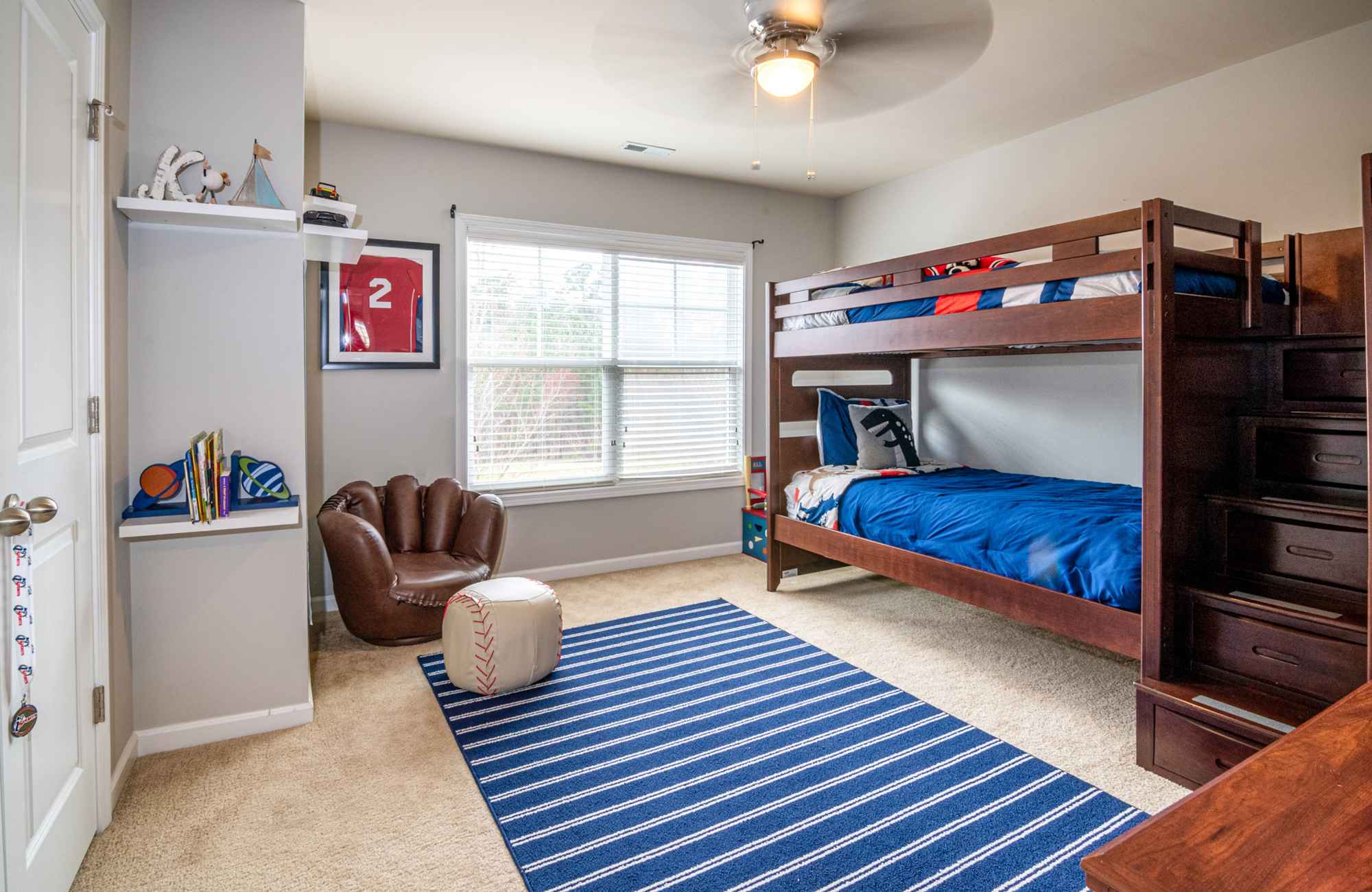
Key Principles for a More Organized Kids’ Room
Design for your child’s independence: Make storage accessible and easy to use at their height and ability level.
Simplify belongings: Reduce clutter by limiting toys and items to what your child truly uses and enjoys.
Create clear functional zones: Define spaces for sleep, play, and study to help children understand where things belong.
Maintaining an organized kids’ room doesn’t have to be a constant struggle. By designing systems that empower your child to take part, simplifying belongings, and creating clear functional zones, you set the stage for lasting order and a more peaceful home environment. Remember, small, consistent routines make all the difference.
If you’re ready to transform your child’s bedroom into a space that works for your family, let’s connect! Reach out today to discover personalized organization solutions that fit your lifestyle and bring harmony back to your home.
Warmly,
Ashley


